Onion Harvest Embroidery Design Review
First Impressions: Rustic Charm Meets Kitchen Craft
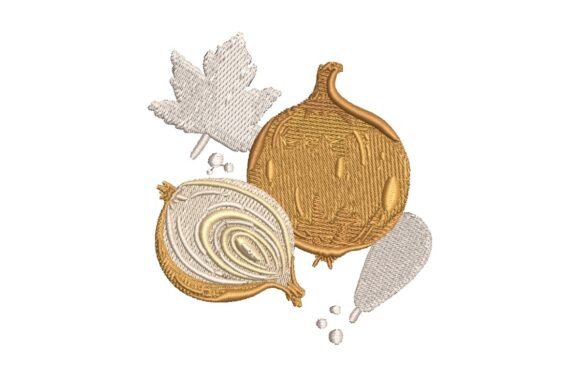
As an embroidery designer with years of experience creating custom pieces for Etsy sellers and boutique brands, I was immediately drawn to the Onion Harvest machine embroidery design. Its earthy, handcrafted aesthetic feels like a perfect fit for rustic kitchen decor and farm-inspired apparel. The design features both whole and sliced onions, stitched with a delicate balance of satin and fill stitches that give it a natural, almost hand-drawn look.
What stands out first is the attention to texture and detail. The sliced onion shows subtle layering, while the whole onions have a soft, organic shape that suggests hand embroidery rather than a digital file. It’s the kind of design that speaks directly to crafters looking to add a touch of nature and warmth to their handmade products.
Visual Appeal and Design Versatility
Onion Harvest has a quiet elegance that makes it ideal for a variety of project types. Whether you're designing for a farmhouse-style kitchen towel or a personalized baby blanket with a garden theme, this embroidery file offers a gentle, non-overbearing presence that complements rather than competes with the fabric.
- Great for kitchen-themed totes and aprons
- Works well on rustic nursery decor
- Perfect for seasonal handmade gifts
- Adds charm to boutique sweatshirts and caps
Its visual mood is cozy and welcoming—ideal for small businesses selling embroidered apparel or home goods with a rustic or botanical theme. If you're building a cohesive brand around nature-inspired designs, this could be a strong addition to your design assets.
Practical Use in Real Embroidery Projects
I considered how well Onion Harvest would translate into actual embroidery work across different product types. Here's what I found through a practical lens:
Small Hoop Sizes and Detail Retention
One of the first things I checked was whether the design could scale down for small hoop embroidery, like on baby onesies or embroidered patches. The file maintains its detail surprisingly well at smaller sizes, though I’d recommend doing a test stitch on scrap fabric to ensure the tiny onion layers remain clear and defined.
Stitch Density and Fabric Compatibility
The stitch density feels appropriate for most cotton and linen fabrics, but I’d advise caution when using it on stretchy or textured materials. Because of the fine details in the sliced onion layers, you may need to adjust tension or use a lightweight stabilizer to prevent puckering or distortion.
Dark Fabric Performance
Since the design relies on subtle color variations to show depth, I recommend testing Onion Harvest on both light and dark backgrounds. On dark fabric, some of the finer details might get lost unless you carefully select contrasting thread colors.
Curved Surfaces and Layered Embroidery
If you're planning to use this on curved surfaces like caps or mugs with embroidered patches, the design holds up well. Just be mindful of layered details—those inner onion rings can shift slightly if the hoop isn’t perfectly aligned or if the stabilizer isn’t suited for the fabric type.
Performance Across Product Types
Here’s how I see Onion Harvest performing in real-world use across different product categories:
- Custom Apparel: Works beautifully on sweatshirts and aprons, especially when paired with coordinating text or other botanical designs.
- Gift Items: Perfect for embroidered kitchen towels, baby blankets, and pillow covers—especially around harvest season or farmer’s market themes.
- Commercial Embroidery: Great for boutique merchandise or small batch orders where a handcrafted feel is desired.
- Printable Mockups: Translates well into digital mockups for Etsy listings or product portfolios.
- Handmade Marketplaces: Ideal for craft fair items or Etsy sellers targeting rustic or kitchen-themed niches.
Impact on Product Value and Branding
Using Onion Harvest in your product line can elevate the perceived value of your handmade items. Its soft, organic look lends a sense of authenticity and care—important factors when building customer trust and brand consistency.
For Etsy sellers and small business owners, this design can help create a cohesive product story. Whether you're selling embroidered totes with a “Farm Fresh” theme or personalized kitchen linens, this design enhances the handmade presentation and increases giftability.
From a photography standpoint, the design’s natural textures and layered details photograph beautifully, especially in lifestyle shots. This can help your product listings stand out and engage potential buyers more effectively.
Practical Embroidery Notes and Recommendations
Before stitching out Onion Harvest for a customer order or product line, here are a few practical tips based on my own workflow:
- Test on scrap fabric before stitching on your final product, especially if using textured or stretchy materials.
- Check thread color contrast—especially on dark fabrics where fine details might not pop as expected.
- Review stitch density to avoid puckering on lightweight fabrics.
- Confirm hoop size compatibility with your machine and intended project placement.
- Compare light and dark mockups to see how the design renders across different fabric tones.
- Use proper stabilizer depending on your fabric type—especially for stretchy or loosely woven materials.
- Inspect small details after stitching, particularly the inner onion layers, to ensure clarity.
- Confirm file details and licensing on the Creative Fabrica product page before selling any finished items.
Final Thoughts: Is Onion Harvest Worth the Download?
Yes, especially if you're an embroidery designer or small business owner who values quality, versatility, and a handcrafted aesthetic. Onion Harvest brings a unique, nature-inspired touch to your design library that can enhance a wide range of products—from custom apparel to rustic home decor.
It’s not just another embroidery file—it’s a design that tells a story. And in the world of handmade and personalized goods, that kind of visual storytelling can make all the difference in how your products are perceived and purchased.