Chameleon Head Embroidery Design Review for Business Use
First Impressions: Playful, Quirky, and Brand-Friendly
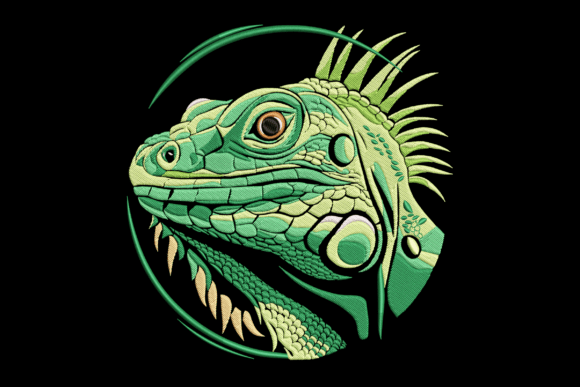
As an embroidery designer with years of experience crafting custom visuals for small businesses, I was immediately drawn to the Chameleon Head design. The title alone suggests a fun, character-driven design that can bring a touch of personality to any branded merchandise. Based on the description—“charming update” and “fun and quirky flair”—this machine embroidery design feels approachable, modern, and just a bit whimsical. It’s the kind of design that can appeal to creative studios, boutique shops, or even pet brands looking to stand out with a visual twist.
It doesn’t scream luxury or elegance, but it doesn’t need to. Its strength lies in its personality and adaptability. For small businesses building a friendly, handmade brand identity, this could be a perfect fit.
Real Business Use Cases: From Patches to Product Packaging
Let’s get practical. When evaluating an embroidery file like Chameleon Head, I always think about how it will translate into real-world applications. Here’s how it could perform across different business needs:
- Embroidered patches – Its standout character makes it ideal for sew-on or iron-on patches. Whether used as a standalone accent or part of a themed collection, it adds a fun visual hook.
- Staff uniforms – A chest or sleeve embroidery with this design could give your team a unique, approachable look—perfect for cafes, bakeries, or local pet shops.
- Apron embroidery – For food vendors or crafters, a small version of Chameleon Head stitched onto an apron can add a personalized touch that customers remember.
- Cap embroidery – Caps are tricky real estate for embroidery, but if the design scales well, this could work as a front or side accent for a boutique or event merch line.
- Tote bag design – Tote bags are popular small business merch items. This design would stand out nicely on cotton or canvas totes, especially with the right thread contrast.
- Product packaging accents – For handmade brands or Etsy sellers, a small embroidered patch sewn onto a product bag or box can elevate the unboxing experience.
Where to Use Chameleon Head Carefully
While this design has a lot of charm, it’s not a one-size-fits-all solution. As a designer, I always assess potential pitfalls before recommending a file for commercial embroidery:
- Small patch sizes – If the design is intricate, it may lose clarity when scaled down. Always test it at the intended patch size before bulk production.
- Cap fronts – The curved surface of a cap can distort detailed designs. Make sure the chameleon’s features remain recognizable after stitching.
- Textured fabric – Rough or uneven materials like burlap or thick denim might blur the design's lines. Use a quality stabilizer and test on fabric swatches.
- Dark uniforms – If using on black or navy garments, check thread color contrast. You may need to adjust hues for visibility.
- High stitch density – Too many stitches can cause stiffness or pucker. Review the file’s stitch count and spacing if planning for frequent-wear apparel.
Brand Identity Impact: Building Recognition with Personality
One of the most important aspects of any embroidery file is how it supports brand identity. Chameleon Head offers a unique opportunity to inject visual personality into your brand assets. It’s not just a logo—it’s a story. A quirky chameleon can imply adaptability, creativity, and fun—traits many small businesses want to communicate.
When used consistently across custom apparel, tote bags, and packaging, this design can become a recognizable brand icon. It’s especially effective for Etsy sellers or craft businesses that rely on a handmade presentation and emotional buyer engagement. Just make sure the tone aligns with your brand voice—this design leans more playful than professional.
Designer Notes: Practical Steps Before Production
Before taking Chameleon Head into full-scale production for a client or your own small business merch, here are essential steps I always follow:
- Test in black and white first – This helps identify clarity issues and ensures the design reads well without color distractions.
- Check small patch size compatibility – Run a test stitch at the smallest intended size to ensure no detail is lost.
- Review thread color contrast – Especially for use on dark or textured fabrics. You may need to tweak the palette for visibility and brand consistency.
- Inspect spacing and density – Avoid puckering by ensuring the stitch spacing is appropriate for the fabric type.
- Confirm hoop size – Make sure the file fits within your embroidery machine’s capabilities. If not, you may need resizing or splitting the design.
- Test on real fabric – Never rely solely on digital mockups. Actual fabric behaves differently, so always stitch a sample.
- Use the right stabilizer – Especially for stretchy or textured materials. This ensures clean, crisp embroidery with minimal distortion.
- Create a printable mockup – Show clients how the design looks on the final product before stitching. It builds trust and avoids surprises.
- Compare with other design assets – Ensure Chameleon Head fits visually with your other logos, fonts, and branding elements.
- Confirm commercial licensing – Always double-check that the embroidery file is cleared for commercial use, especially for resale or branded merchandise.
Final Thoughts: A Versatile Design for the Right Brand
Chameleon Head isn’t just a reptile-themed embroidery file—it’s a design that tells a story and invites connection. For small businesses, crafters, and merch creators, it’s a valuable addition to your design assets when used thoughtfully. Whether you’re creating embroidered patches for a local florist or a custom cap for a pet brand, this design can elevate your offerings with a touch of charm and originality.
Just remember: every digital embroidery file needs to be tested and evaluated in context. Chameleon Head has the potential to become a memorable part of your brand’s visual language—if you let it shine where it belongs.